
Buying Pre-Construction
What to Check in a Builder's Agreement of Purchase and Sale (Ontario)
By Mudit Mehta, Broker of Record, Elixir Real Estate Inc., Brokerage · Updated November 27, 2026
A builder’s Agreement of Purchase and Sale (APS) is long, written by the builder’s lawyers, and rarely negotiated line by line. You still need to know what’s in it — especially for a freehold home, where there is no general cooling-off period in Ontario once you sign. (New condos have a 10-day cooling-off period; see the first-time buyer’s guide.)
This checklist is what to raise with your agent and, above all, your real estate lawyer before you sign. It is general information, not legal advice.
1. Closing adjustments — the costs added on closing
The schedule of adjustments lists charges added to the price at closing: development and education levies, utility connections and meters, Tarion enrolment, tree planting, grading deposits and more.
- Is the list capped? Some builders cap total adjustments, or specific items, at a fixed dollar amount. Uncapped items can add tens of thousands.
- Are development-charge increases capped? Municipal development charges can rise between signing and closing. Some agreements pass increases to the buyer; others cap them (sometimes at $0). Get this in writing.
2. Price, HST and the rebate
Most builder prices include HST net of the new-housing rebates, which you assign to the builder on closing. If you don’t qualify — for example because you won’t live in the home — you may owe the rebate amount back at closing. Check what the agreement assumes and whether you qualify. See the Ontario HST rebate guide.
3. Deposits
Confirm the schedule (amounts and due dates) and how deposits are protected. For freehold homes, Tarion protects deposits within set limits; anything paid before a signed agreement, or above the limits, isn’t covered. See the deposit structures guide.
4. Closing dates and delays
The Tarion Addendum is attached to every new-home agreement in Ontario and sets out the critical dates — the first tentative closing date, how and when the builder can extend it, and the outside closing date. If the builder delays beyond the permitted dates, the addendum sets out the compensation you may be owed. Read the Statement of Critical Dates carefully and note each deadline.
5. The builder’s right to make changes
Agreements usually allow the builder to substitute materials “of equal or better quality” and to make minor changes to plans, elevations and lot dimensions. Ask how much variation in square footage or lot size is permitted before you have any remedy.
6. Assignment — can you sell before closing?
If your plans could change before the home is built, check whether assignment is allowed, whether it needs the builder’s consent, the assignment fee, and whether you may advertise the assignment on MLS. Some agreements prohibit assignment outright.
7. Financing and occupancy
New-home agreements rarely include a financing condition. Your mortgage is finalised close to closing, and the home must appraise at or near the price at that time. Talk to a mortgage professional about how a lender will treat a purchase that closes years from now.
8. Extras, upgrades and the décor appointment
Upgrade pricing, deadlines for selections, and whether upgrade payments count toward the deposit limits Tarion protects (they generally fall within the same limits, not on top).
None of this is a reason not to buy pre-construction — it’s the reason to read the agreement with someone on your side before you sign.
First Look Homes is run by Elixir Real Estate Inc., Brokerage. Register for a community and a licensed Elixir agent will go through the builder’s agreement terms with you before you commit.
Communities to look at
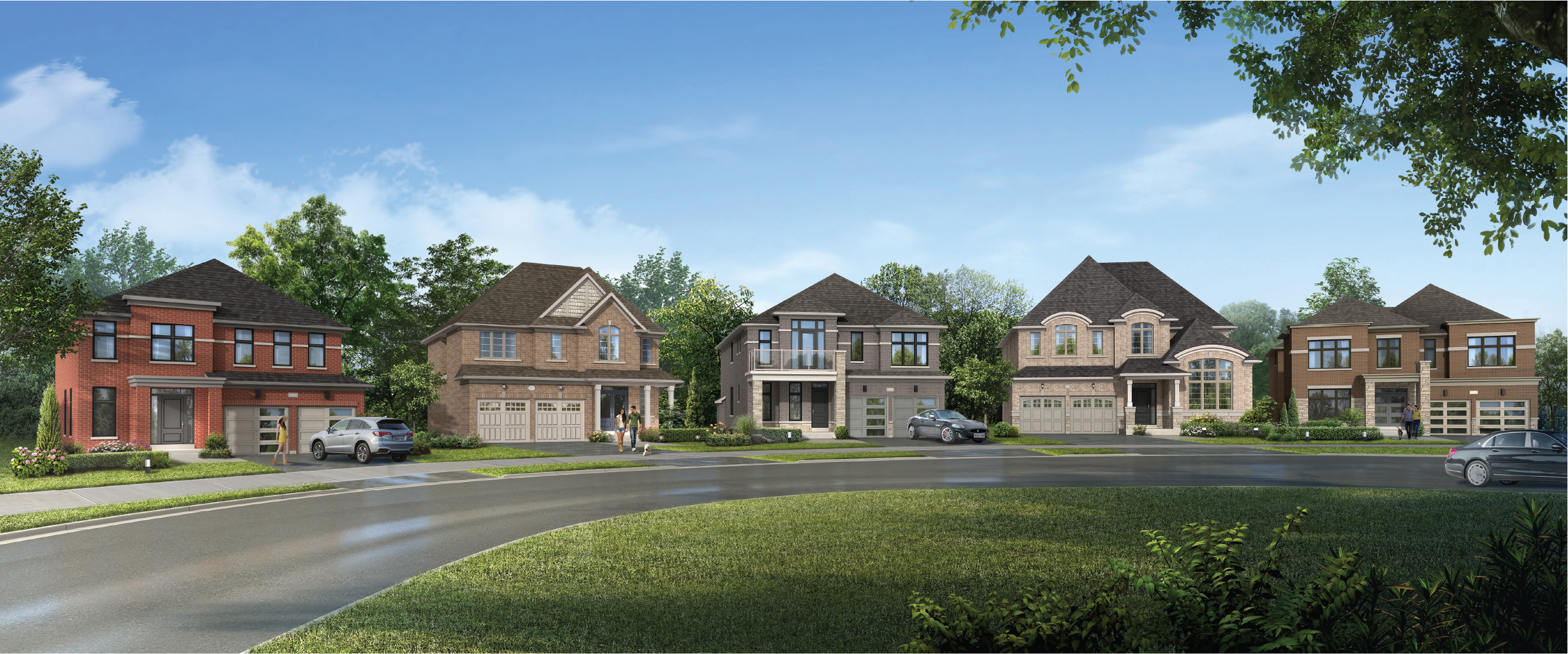
Keswick · Detached
Woodbury Trails
Keswick South area of Georgina
3–4 bed · 1,420–4,224 sq ft
From $884,990
View Community →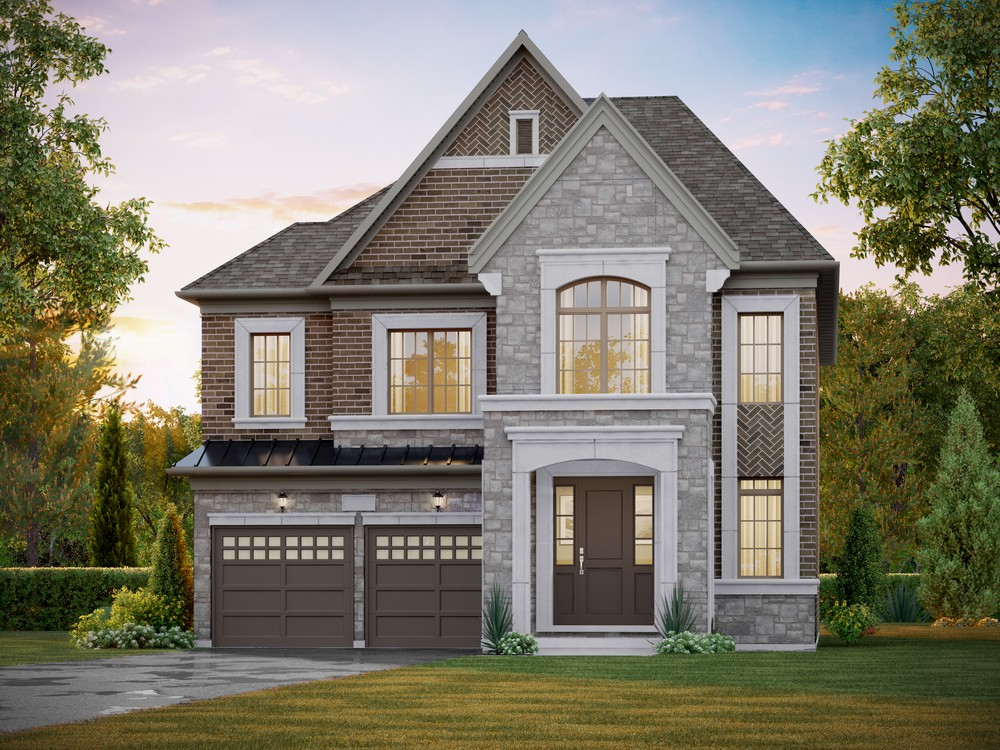
Vaughan · Detached
Bridgelands OPUS
Vaughan, York Region
4 bed · 1,952–3,022 sq ft
From $749,990
View Community →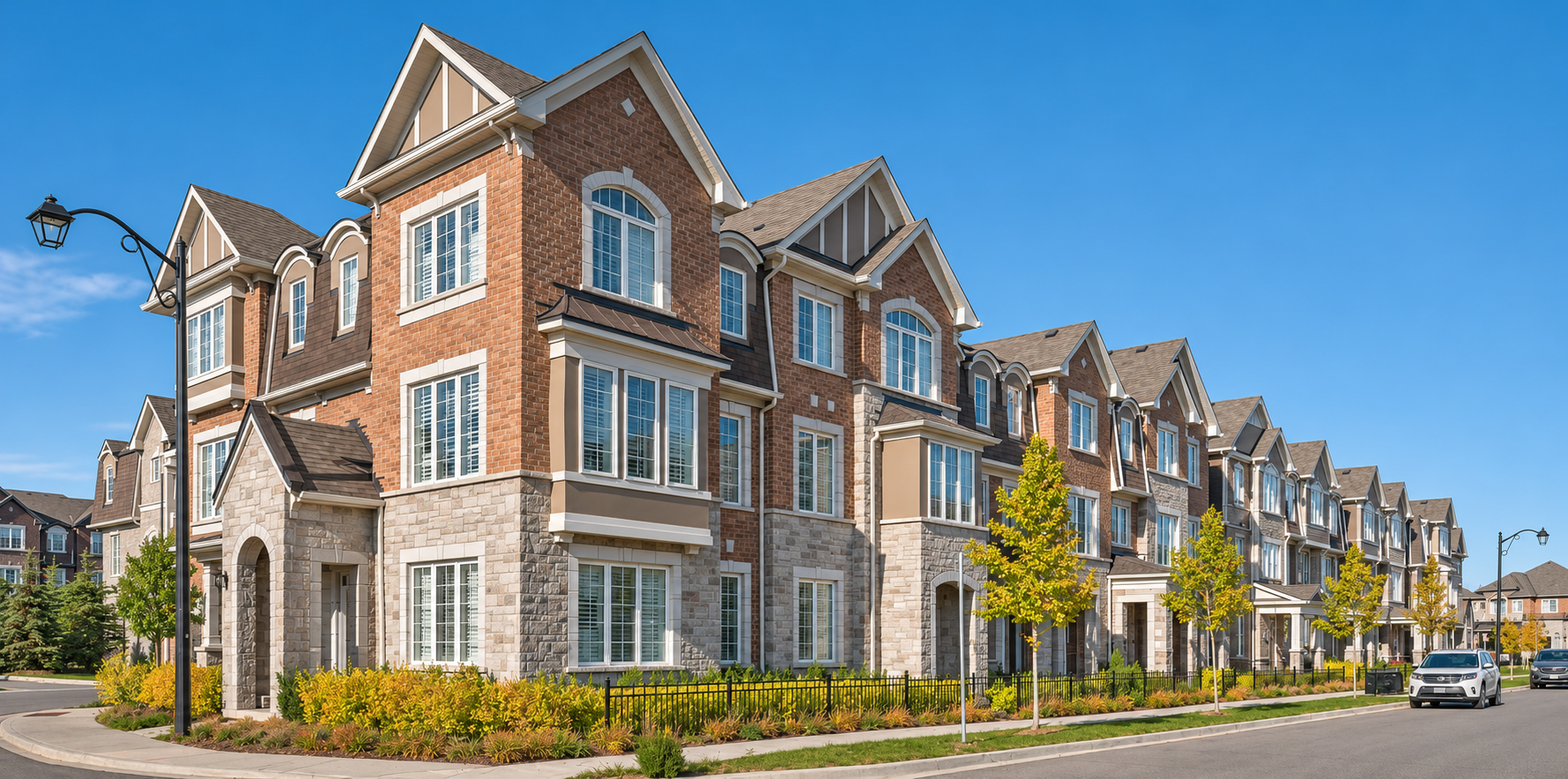
Guelph · Townhomes
Clairmont
South End
From $484,990
View Community →Ready for your first look?
Register to get floor plans and pricing from the GTA's newest communities as they launch.
Get Pricing & Plans