
Buying Pre-Construction
New Home GST/HST Rebates in Ontario: What Buyers and Investors Should Know in 2026
By Mudit Mehta, Broker of Record, Elixir Real Estate Inc., Brokerage · Updated September 24, 2026

If you’re considering a new-construction home in Ontario, the GST/HST rebate is worth understanding before you sign the agreement. The rules changed significantly in 2026, and the relief now available is large: for a qualifying buyer, up to $130,000 of the 13% HST on a new home.
What surprises most people is that this is no longer only for first-time buyers. Repeat buyers purchasing a new home to live in can qualify, and so can investors buying a new home to rent out long term — through a separate rebate with its own rules and its own timing test.
At a glance: who can get what
| Buyer | Provincial 8% | Federal 5% | Maximum |
|---|---|---|---|
| First-time buyer, home to live in | Up to $80,000 | Up to $50,000 | Up to $130,000 |
| Repeat buyer, home to live in | Up to $80,000 | Up to $50,000 (paid by Ontario) | Up to $130,000 |
| Investor, long-term rental | Up to $80,000 | Up to $50,000 (paid by Ontario) | Up to $130,000 |
Full relief applies to homes valued up to $1 million. Above that the amounts taper, and they reach nil at $1.85 million.
The headline numbers are similar for all three. What differs is how you qualify and when you get the money — and for investors those differences are substantial. Details below.
How HST works on a new home
In Ontario, HST is 13%: 5% federal and 8% provincial. Unlike most resale homes, HST applies when you buy a newly built or substantially renovated home from a builder.
In most cases, the builder’s advertised price already assumes you qualify for a rebate, which you then assign back to the builder on closing. That’s why it matters exactly what the price includes, and which rebate the builder is counting on you to hand over.
It also means your intended use of the home matters from day one. Someone buying to live in the home falls under a different program than someone buying the same unit to rent — and only the owner-occupier’s rebate can be credited by the builder on closing.
First-time buyers: up to $130,000
For a qualifying first-time buyer purchasing a new home as their primary residence:
- Federal: the first-time home buyers’ (FTHB) GST/HST rebate covers up to 100% of the 5% federal portion, to a maximum of $50,000, for homes up to $1 million. It reduces gradually between $1 million and $1.5 million, and is nil at $1.5 million or more.
- Ontario: up to $80,000 of the 8% provincial portion.
Together, that’s up to $130,000.
“First-time buyer” has a specific meaning. It does not mean you’ve never owned a home. Generally, you must:
- be at least 18, and a Canadian citizen or permanent resident;
- not have lived in a home owned by you or your spouse or common-law partner as your primary residence in the current calendar year or the previous four;
- never have received this rebate before (neither you nor your spouse); and
- be the first person to live in the home after it’s completed.
So someone who owned a home many years ago may still qualify.
One pre-construction catch: for a home bought from a builder, first-time status is tested when ownership transfers to you at closing, not when you sign. If you buy and move into another home while waiting for your new build, you can lose the rebate.
Repeat buyers: the big 2026 change
Under Ontario’s temporary Enhanced New Housing Rebate, you don’t need to be a first-time buyer. If you buy a new home as your (or a relation’s) primary residence, you may qualify for:
- up to $80,000 of the provincial 8%, and
- up to $50,000 toward the federal 5%, through Ontario’s New Home Affordability Payment. Strictly speaking, a province can’t rebate federal tax; Ontario pays you the equivalent.
How it scales with price (provincial part):
- Up to $1 million: full relief of the 8%, to a maximum of $80,000
- $1 million to $1.5 million: a flat $80,000
- $1.5 million to $1.85 million: a partial rebate
- $1.85 million or more: only the standard Ontario rebate of up to $24,000
The rental rebate follows the same tiers, measured on fair market value.
The dates decide everything:
- the agreement of purchase and sale must be signed between April 1, 2026 and March 31, 2027;
- construction must begin by December 31, 2028; and
- the home must be substantially completed by December 31, 2031.
An agreement signed before April 1, 2026 doesn’t become eligible by being amended or assigned later. Because the dates matter so much, don’t rely on a sales brochure. Have the agreement itself reviewed.
Investors: a separate system, similar headline number
If you’re buying to rent, you won’t use the first-time buyer rebate, even if you’ve never owned a home. That rebate requires you to live in the home. Investors fall under the New Residential Rental Property (NRRP) rebate system instead, which Ontario has also enhanced for 2026.
A qualifying landlord can access:
- up to $80,000 of the provincial 8%, through the Enhanced New Residential Rental Property Rebate (ENRRP) — combined with the existing Ontario NRRP rebate, up to 100% of the provincial part; and
- up to $50,000 toward the federal 5%, through the same New Home Affordability Payment available to owner-occupiers. The CRA states that a landlord eligible for the ENRRP may also be eligible for it.
So the ceiling is the same $130,000 — but read the four differences below before you budget for it.
1. Your timing test is different, and it’s the one people get wrong
For someone buying a home to live in, the clock runs on the agreement date. For rental property, it runs primarily on when construction begins, which the CRA defines as when excavation work began — not when permits were issued, and not when you signed.
You may qualify if either:
- construction began between April 1, 2026 and March 31, 2027; or
- construction began before April 1, 2026 and you signed the agreement for a condominium unit or single-unit home between April 1, 2026 and March 31, 2027.
The home must be substantially completed by December 31, 2029 — two years earlier than the deadline for owner-occupied homes — and its fair market value must be under $1.85 million.
For an assignment, both the original agreement and the assignment must fall within the window.
2. The builder can’t credit it — you pay first
The CRA is explicit: a builder cannot credit the ENRRP to a landlord. You apply to the CRA yourself, after closing.
This is the single biggest practical difference, and it’s covered in the cash-flow section below.
3. The federal payment is reduced by any federal rental rebate
The New Home Affordability Payment is reduced by any federal-portion NRRP rebate you’re entitled to. In practice, the regular federal rental rebate only applies where fair market value is under $450,000, so on most GTA new builds it’s nil and the reduction doesn’t bite. But it’s why $50,000 is a ceiling, not a given.
4. It can’t be combined with the purpose-built rental rebate
If the housing qualifies for the federal Purpose-Built Rental Housing rebate — which is for apartment buildings, and explicitly not for condo units, single homes, duplexes or triplexes — the Ontario ENRRP isn’t available. This rarely affects an individual buying one condo.
A worked example: the same $900,000 home, two buyers
Take a new home priced at $900,000 before HST. The HST is $117,000: $45,000 federal plus $72,000 provincial.
A buyer who’ll live in it (first-time, or a repeat buyer signing in the 2026 window):
- Provincial: $72,000 (the full 8%, since the home is under $1 million)
- Federal: $45,000
- Total relief: up to $117,000 — effectively all of the HST
- Usually credited by the builder on closing, so it never leaves your account
An investor renting it to a long-term tenant, where construction timing qualifies:
- Provincial: up to $72,000, through the enhanced rental rebate
- Federal: up to $45,000, through the New Home Affordability Payment
- Total relief: potentially the same $117,000
- But you pay the $117,000 on closing and claim it back afterwards
The amounts can land in the same place. The cash flow does not. An investor needs roughly $117,000 more at closing on this purchase, and waits for it.
Investors: plan for the cash at closing
This is the part that often gets overlooked. A buyer who’ll live in the home usually has the rebate credited by the builder on closing, so it never leaves their pocket.
An investor can’t. The CRA states plainly that a builder cannot credit the enhanced rental rebate to a landlord. You pay the full HST on closing, then apply to the CRA yourself.
On a $900,000 home that’s about $117,000 of extra cash at closing — money your lender generally won’t finance, because it isn’t part of the purchase price. Then you wait for the CRA to process the claim.
A few practical points:
- You apply on Form GST524 (with RC7524-ON for the Ontario part), and you must fill in the “Consent to share information” section for the federal payment to reach you. There’s no separate application for it.
- You have two years from the end of the month the tax became payable to file.
- Claims are filed by mail at present; the CRA expects to allow electronic filing in fall 2026.
Plan for the cash, and plan for the wait. This is where pre-construction investment maths most often goes wrong.
The home has to be genuinely rented
The rental rebate requires the home to be leased for long-term residential use by an individual. Short-term rentals (Airbnb-style) should not be assumed to qualify.
The one-year period that matters most is on the way out: see selling below.
Short-term rentals (Airbnb-style) should not be assumed to qualify.
Selling soon after? Be careful
If you sell a rental unit within one year of it first being occupied, you may have to repay the rebate, with interest — unless the person buying it is acquiring it as a primary residence for themselves or a relation.
Your HST plan and your exit plan belong together. If the intention is to buy, rent briefly and resell, get professional tax advice before you sign anything.
Purchase price isn’t the only number that matters
For rental properties, the rebate tiers run on the home’s fair market value, not simply the price you agreed with the builder years earlier. A condo bought at $850,000 that appraises at $1.1 million on completion is assessed at the higher figure — which matters near the $1 million, $1.5 million and $1.85 million thresholds. Don’t assume your rebate from the original agreement alone.
Is HST already included in the builder’s price?
Usually, yes. Ontario builders typically advertise prices including HST, net of the rebate they assume you qualify for. Many 2026 price lists show this directly as a “Price After Rebate” or “Net Price” column.
Before signing, confirm:
- whether HST is included in the price;
- which rebate the builder has assumed, and that you actually qualify for it;
- whether you’re assigning the rebate to the builder;
- what happens if you don’t qualify; and
- whether an extra amount could become payable on closing.
These should be settled before the deal is firm. If you don’t qualify for the rebate the builder assumed, you typically have to pay the builder that amount on closing.
Can a first-time buyer purchase a condo and rent it out?
This is a common question. If the home will be rented to a tenant, you won’t qualify for the first-time buyer rebate, even if you’ve never owned before. That rebate requires the home to be your primary residence, and requires you to be the first person to live in it.
You’d claim under the rental rebate system instead. The ceiling can be similar, but the timing test, the application process and the cash you need at closing are all different.
What about resale homes?
For most ordinary resale purchases, none of this applies, because HST generally isn’t charged on a resale home. These rebates matter for new homes bought from builders, new condominium units, substantially renovated homes, certain owner-built homes and new residential rental properties.
Assignments need extra attention
For an assignment to qualify under the 2026 enhanced rebates — whether you’ll live in the home or rent it out — both the original agreement with the builder and the assignment agreement must fall within the April 1, 2026 – March 31, 2027 window. An assignment of an agreement originally signed before April 2026 won’t become eligible.
Nor can a pre-April-2026 agreement be amended or replaced to qualify: a change has to be for genuine reasons other than obtaining the rebate. Review the HST position before you sign an assignment agreement. For how assignments work more generally — fees, timing and the builder’s consent — see Elixir Real Estate’s guide to the benefits and challenges of assignment sales.
Questions to ask before you buy
- Will the home be your primary residence or an investment?
- Do you qualify as a first-time buyer under the actual rules, and will you still qualify at closing?
- To live in it: does the agreement date fall between April 1, 2026 and March 31, 2027?
- To rent it out: when did or will excavation start? That, not the agreement date, is usually the test — ask the builder directly and get it in writing.
- When is completion expected? (By Dec 31, 2031 to live in; Dec 31, 2029 to rent.)
- What rebate has the builder already assumed in the price?
- For an investment: what might the fair market value be at completion (the rebate tiers run on FMV, not your purchase price), and do you have the cash to pay the full HST on closing while you wait for the CRA?
Final thoughts
The HST rebate on a new home is no longer a minor closing detail. It can be worth over $100,000.
- First-time buyers can qualify for up to $130,000.
- In 2026, so can repeat buyers buying a new home to live in, within the April 2026 – March 2027 window.
- Investors buying for long-term rental can reach a similar ceiling, but under a separate rebate with a construction-start timing test, no builder credit on closing, and a claim filed with the CRA afterwards.
The key is working out which rules apply to your purchase before you assume a final cost. Look at the whole transaction: price, deposit structure, closing costs, HST treatment and your plans for the home. The builder’s advertised price alone won’t tell you that. New to pre-construction? Our first-time pre-construction buyer’s guide walks through the process.
If you’re weighing a new home or investment property in the GTA, browse current communities or register on any community page. A licensed Elixir Real Estate agent can help you see how the numbers fit together.
Sources: Canada Revenue Agency — Ontario Enhanced New Housing Rebate (Notice 346), Ontario Enhanced New Residential Rental Property Rebate, First-time home buyers’ GST/HST rebate; Government of Ontario — Ontario New Home Affordability Payment.
This article is general information only, not tax, accounting or legal advice. GST/HST rebate rules are complex, can change, and depend on your circumstances. Confirm your eligibility with a qualified accountant, tax professional or lawyer before relying on any rebate. E.&O.E.
Communities to look at
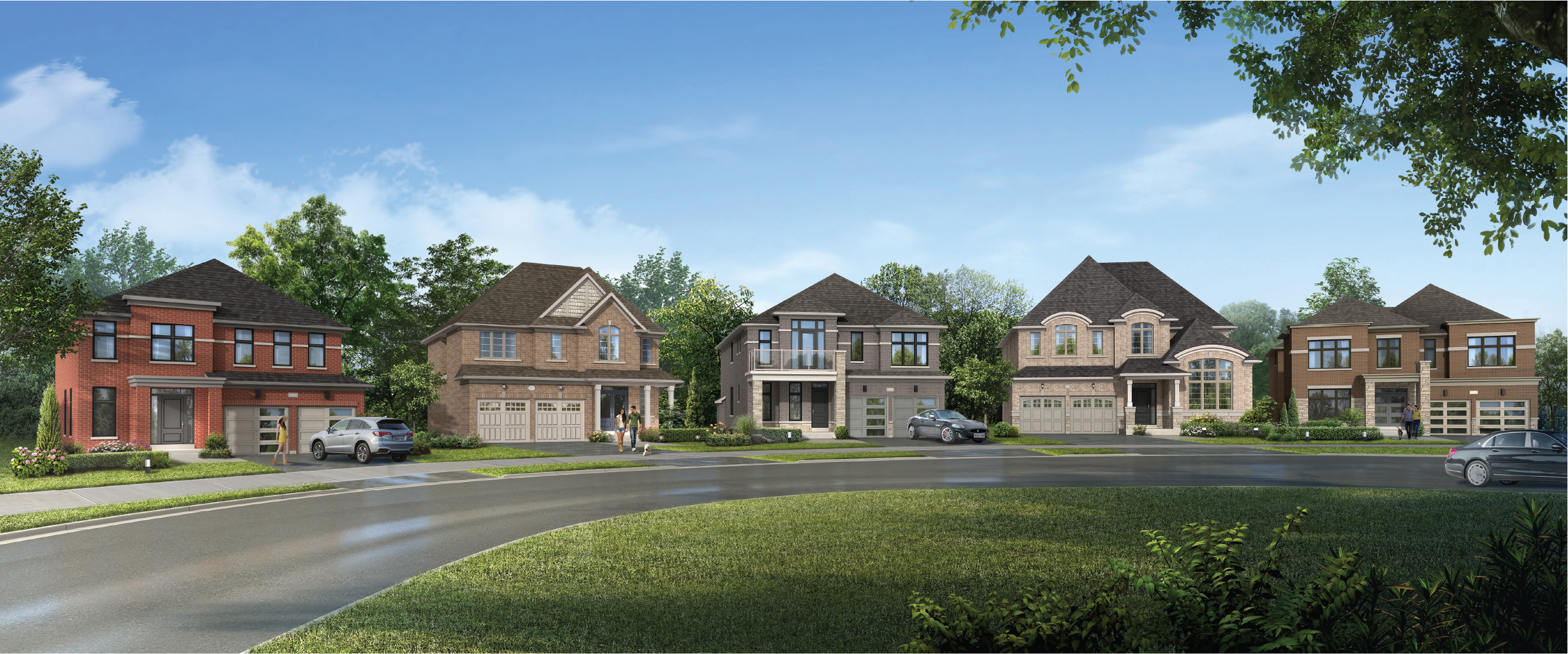
Keswick · Detached
Woodbury Trails
Keswick South area of Georgina
3–4 bed · 1,420–4,224 sq ft
From $884,990
View Community →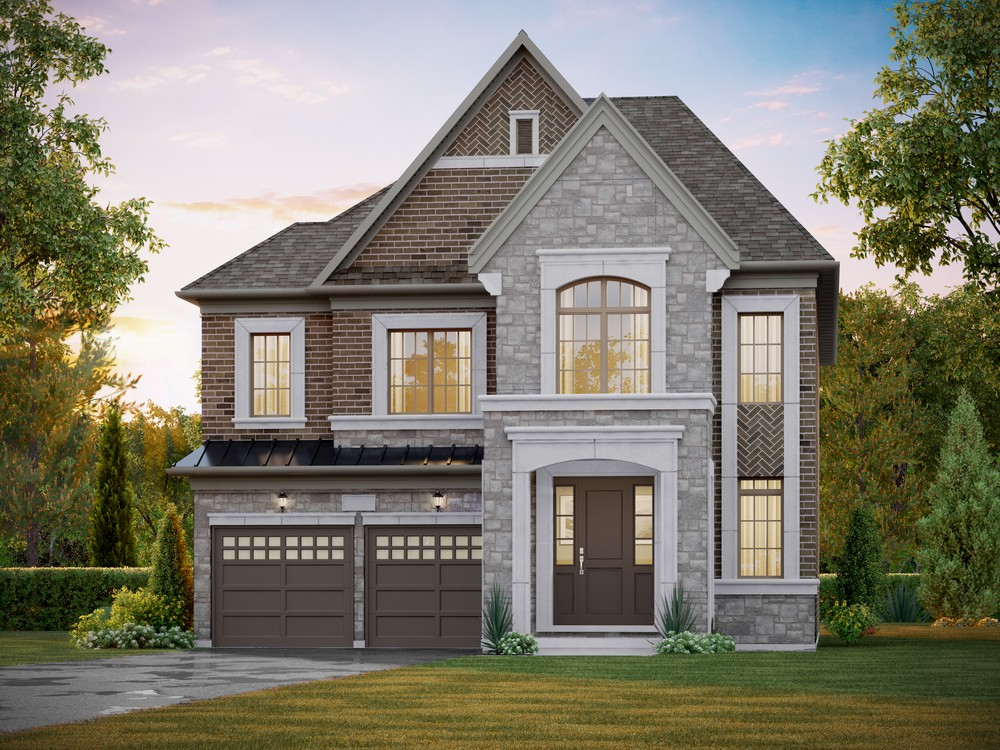
Vaughan · Detached
Bridgelands OPUS
Vaughan, York Region
4 bed · 1,952–3,022 sq ft
From $749,990
View Community →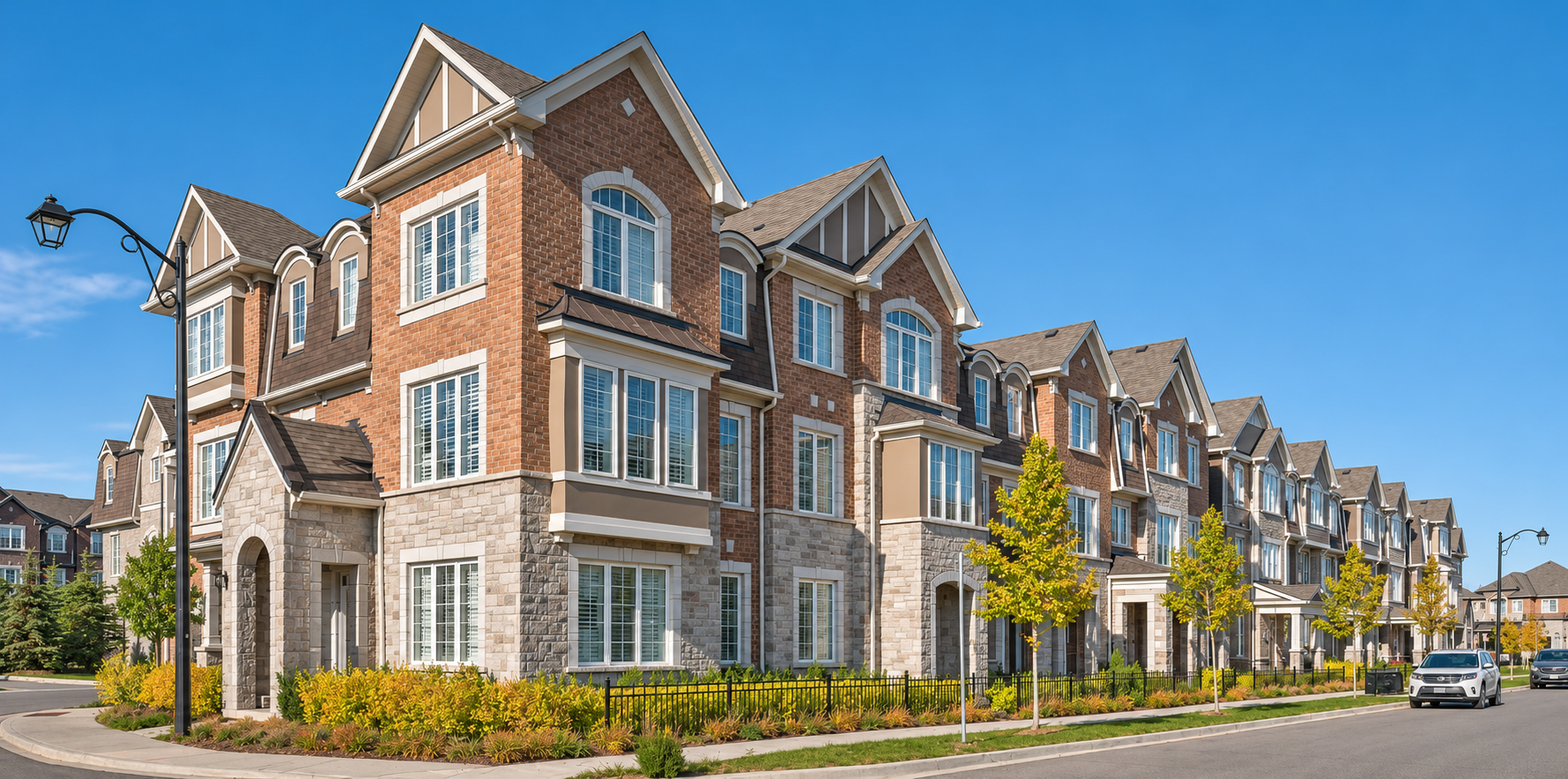
Guelph · Townhomes
Clairmont
South End
From $484,990
View Community →Ready for your first look?
Register to get floor plans and pricing from the GTA's newest communities as they launch.
Get Pricing & Plans