
Buying Pre-Construction
The First-Time Pre-Construction Buyer's Guide (GTA)
Updated September 24, 2026
Buying a brand-new home before it’s built is different from buying resale. There’s no home to walk through, the price is set by the builder, and the timeline runs on the builder’s schedule. Here’s how the process actually unfolds in the GTA.
1. Register for the communities you’re interested in
Most communities sell in stages, and builders release homes to their registered list as each phase opens. Registering means the builder’s material — floor plans, the price list, features and current incentives — reaches you as it’s released, rather than you monitoring each builder’s site.
Registration is free and carries no obligation. It doesn’t confer a discount or a guaranteed allocation: pricing and lot availability are set entirely by the builder, and a registration through a brokerage gets the same builder pricing as going direct. What it does buy you is preparation time, which is the thing that actually matters when a phase opens.
2. Review the floor plans and price list
Once you have access, you’ll review floor plans, the price list, features & finishes, and any incentives. In low-rise communities, pricing is usually organized by model and elevation (the same floor plan can have several exterior elevations at different prices), and individual lots may carry premiums for size, corner position, or backing onto greenspace.
3. Submit a worksheet
To express interest, your agent submits a worksheet — your details and your ranked choices of model, elevation and lot. A worksheet is not a purchase; it’s how the builder allocates homes. Having financing pre-arranged and ID ready makes you a stronger candidate when allocations happen.
4. Sign the Agreement of Purchase and Sale
When you’re allocated a home, you sign the Agreement of Purchase and Sale (APS) and pay your first deposit.
Your cancellation rights depend on what you’re buying, and this catches people out:
- New condominium: you have a 10-day cooling-off period under the Condominium Act — cancel for any reason, with a full refund. Importantly, the 10 days start when you’ve received the disclosure statement and the Residential Condominium Buyers’ Guide, not when you sign.
- New freehold home: there is no general cooling-off period in Ontario. Once you sign and any conditions are met, you’re committed. Narrower rights can apply if the agreement contains certain builder conditions — a 3-business-day review for early-termination conditions, or 10 days for project-viability conditions.
Because freehold gives you no automatic way out, have a real estate lawyer review the agreement before you sign, not after.
5. Plan for the full cost — not just the price
The sticker price isn’t the only number. Budget for:
- HST: builder prices usually assume you qualify for a rebate that you assign back to them on closing. In 2026 the rebates are unusually large — up to $130,000 for a qualifying buyer — but the rules turn on dates and on whether you’ll live in the home. See our Ontario HST rebate guide, and confirm you actually qualify for whatever the builder has assumed.
- Closing adjustments: development charges, utility connections, Tarion enrolment, and a surveyor’s report can be added on closing. Ask whether the builder caps development charges — some do. (Elixir Real Estate explains how development charges work in pre-construction.)
- Deposit schedule: see our deposit structures guide.
6. Build, décor, and closing
Over the build period you may have a design studio / décor appointment to select finishes and upgrades. For condos, expect an interim occupancy phase — you move in and pay occupancy fees before final closing. For freehold homes, you close and take title in one step.
Common first-timer questions
- Can I customize? Structural changes are usually limited to a short window after signing; finishes are chosen at the décor stage.
- Is it freehold or condo? This determines whether you pay maintenance fees, whether there’s an interim occupancy period, and whether you get a cooling-off period at all. Freehold towns sometimes carry a small POTL common-element fee — see freehold vs. condo.
- What protects my deposit? For freehold homes, Tarion covers deposits up to $60,000 on a price of $600,000 or less, or 10% of the price to a maximum of $100,000 above that. For condos, your deposit is held in trust under the Condominium Act, with Tarion protection of up to $20,000 behind it. Money paid for upgrades and extras counts within those same limits, not on top of them — and money paid to “reserve” a home before you sign an agreement isn’t protected at all.
Pre-construction rewards buyers who are prepared. The more you understand the process before a release, the faster and more confidently you can act when your community launches.
When you register with First Look, a licensed Elixir Real Estate agent sends pricing, plans and incentives — and walks you through every step.
Communities to look at
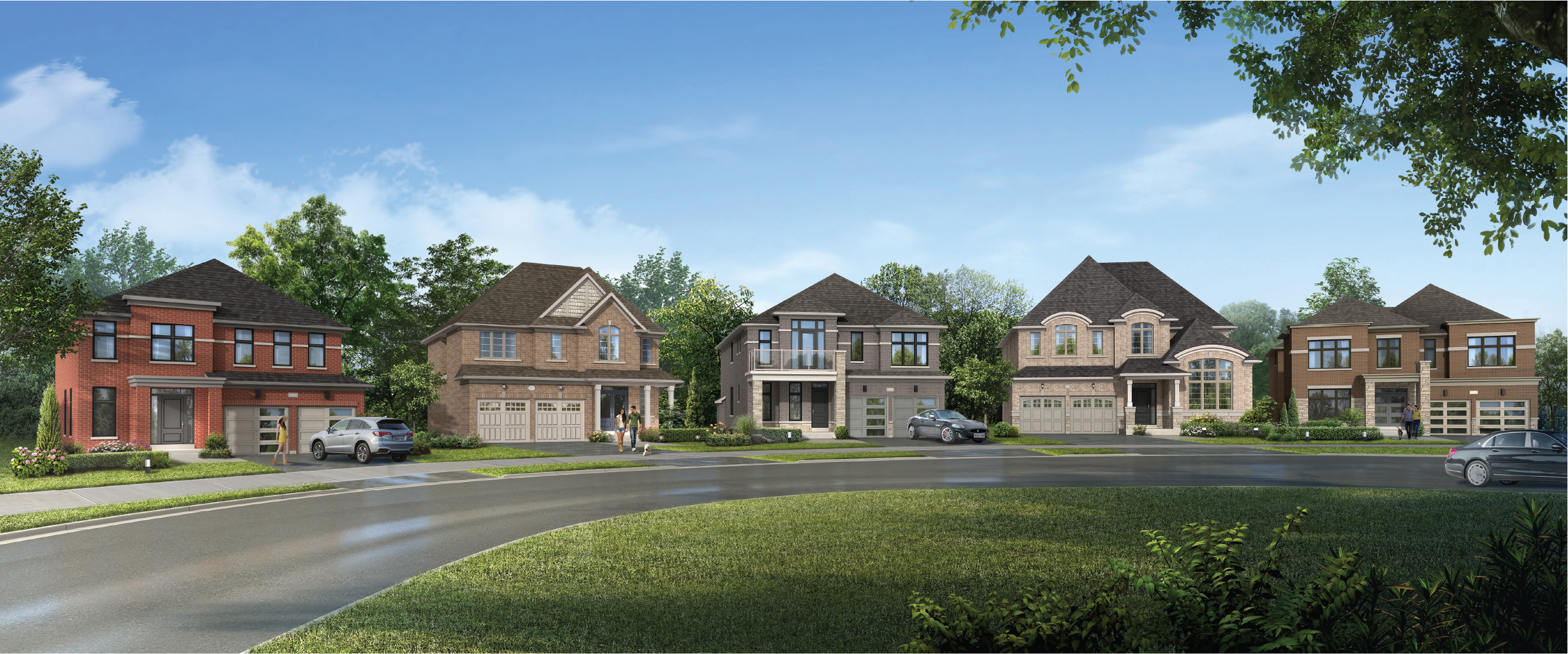
Keswick · Detached
Woodbury Trails
Keswick South area of Georgina
3–4 bed · 1,420–4,224 sq ft
From $884,990
View Community →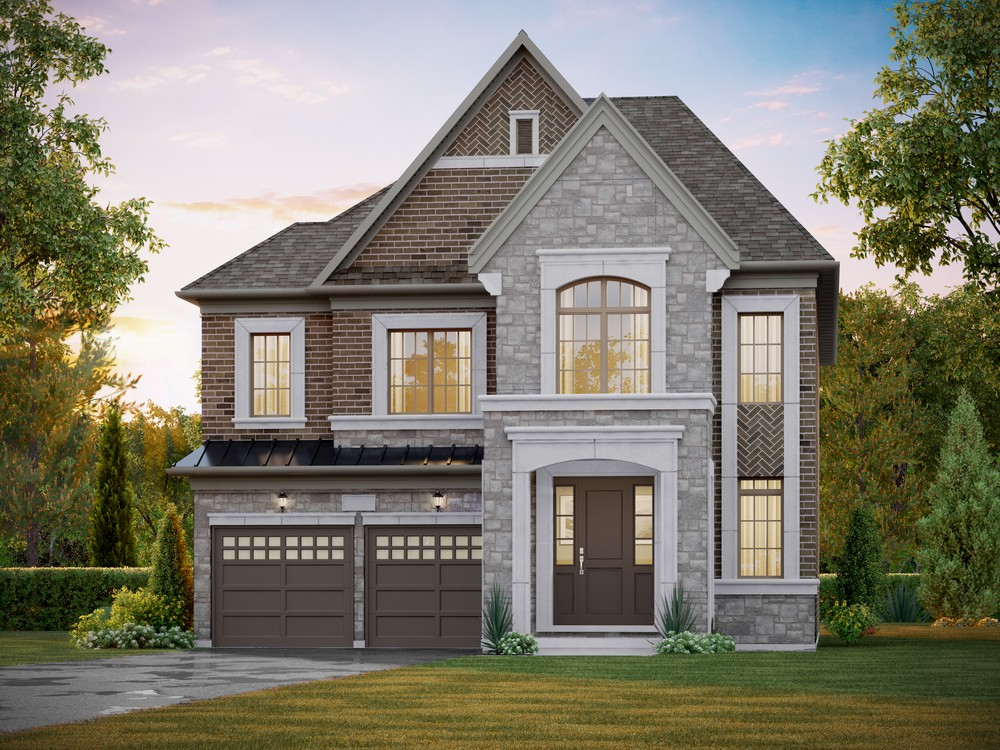
Vaughan · Detached
Bridgelands OPUS
Vaughan, York Region
4 bed · 1,952–3,022 sq ft
From $749,990
View Community →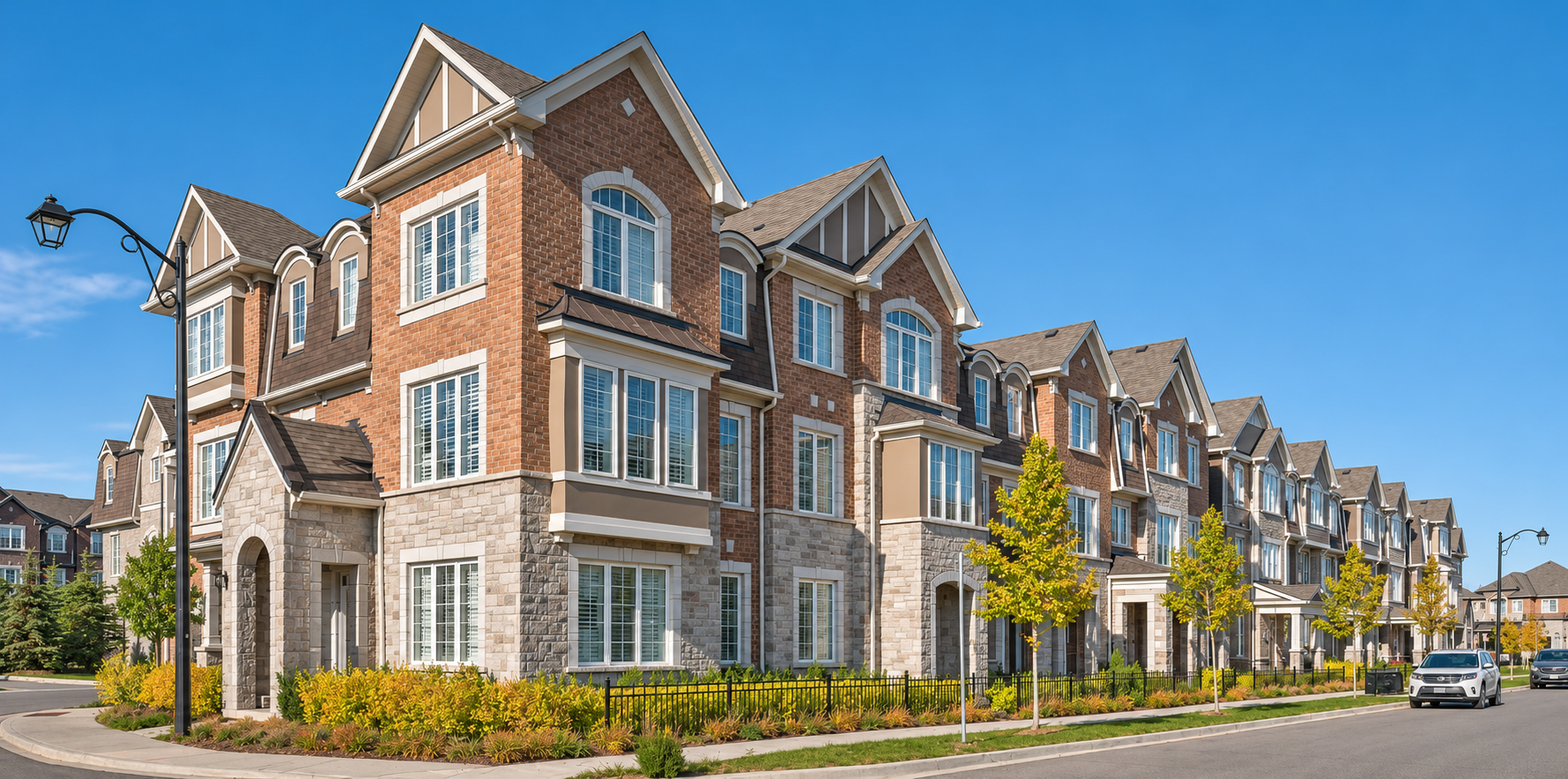
Guelph · Townhomes
Clairmont
South End
From $484,990
View Community →Ready for your first look?
Register to get floor plans and pricing from the GTA's newest communities as they launch.
Get Pricing & Plans