
Buying Pre-Construction
Understanding Deposit Structures for Pre-Construction Homes in the GTA
Updated September 24, 2026
When you buy a pre-construction home in the Greater Toronto Area, you don’t pay the full price up front. Instead, you commit to a deposit structure — a series of payments spread over months that secures your home while it’s being built. Understanding how these work is the single most important step in budgeting for a new build.
How a deposit structure works
Your deposit is a percentage of the purchase price, paid in instalments. The first instalment is due with your offer (usually by bank draft or certified cheque), and the rest follow on a fixed schedule — often at 30, 60, 90, 120, 180 days and beyond. The remaining balance is paid on closing, typically through your mortgage.
Deposits are normally held in trust and, for most new homes, backed by Tarion deposit protection if the builder goes under or fundamentally breaches the agreement. The protection is capped, and the caps matter once your deposits get large:
- Freehold homes: up to $60,000 where the price is $600,000 or less; above that, 10% of the price to a maximum of $100,000.
- Condominium units: deposits are held in trust under the Condominium Act, with Tarion coverage of up to $20,000 behind that.
Two things buyers routinely get wrong: payments for upgrades and extras count inside those caps, not on top of them, and money paid to reserve a home before you sign an agreement of purchase and sale isn’t protected at all.
What’s typical in the GTA
Deposit totals scale with the product type and price. From current GTA builder releases, a representative range looks like this:
- Freehold townhomes: around $60,000 total, often in $10,000 instalments (with offer, then every 30–60 days).
- 30′ detached singles: around $90,000, in $10,000–$20,000 instalments over the first several months.
- 38′–45′ detached singles: $130,000–$175,000, with larger instalments as the home size and price rise.
- High-rise condos: commonly structured as 5% increments (e.g. 5% with offer, 5% at 30/90/180/365 days), totalling 15–20% before occupancy.
These are illustrative — every builder sets its own schedule, and amounts vary by collection within the same community.
Things buyers miss
- The first cheque must usually clear quickly. Many builders require the initial deposit as a bank draft or credit card, not a personal cheque.
- Premium lots can change the math. Some builders require a larger or accelerated deposit on lots carrying a significant premium.
- Condos have an interim occupancy period. You may “occupy” a condo and pay occupancy fees months before final closing and title transfer — a structure freehold homes don’t have.
A quick budgeting checklist
- Confirm the total deposit and the exact instalment dates in writing.
- Make sure the first instalment is available as a bank draft on signing day.
- Ask whether the home or lot carries a premium that affects the deposit.
- Confirm the deposit is held in trust, and check how much of it sits above the Tarion cap.
- Budget separately for HST and closing costs — the deposit isn’t the whole cash requirement. Elixir Real Estate’s closing cost calculator gives a quick estimate. If you’re buying to rent out, you may have to fund the full HST on closing and claim it back afterwards: see the Ontario HST rebate guide.
A deposit structure is a commitment, but a predictable one. Knowing the schedule before you walk into a sales office means you can decide calmly, with your cash flow already worked out, instead of doing the arithmetic across a desk.
Registering with First Look gets you the deposit structure and price list for a community straight from a licensed Elixir agent — so you can plan your cash flow in advance.
Communities to look at
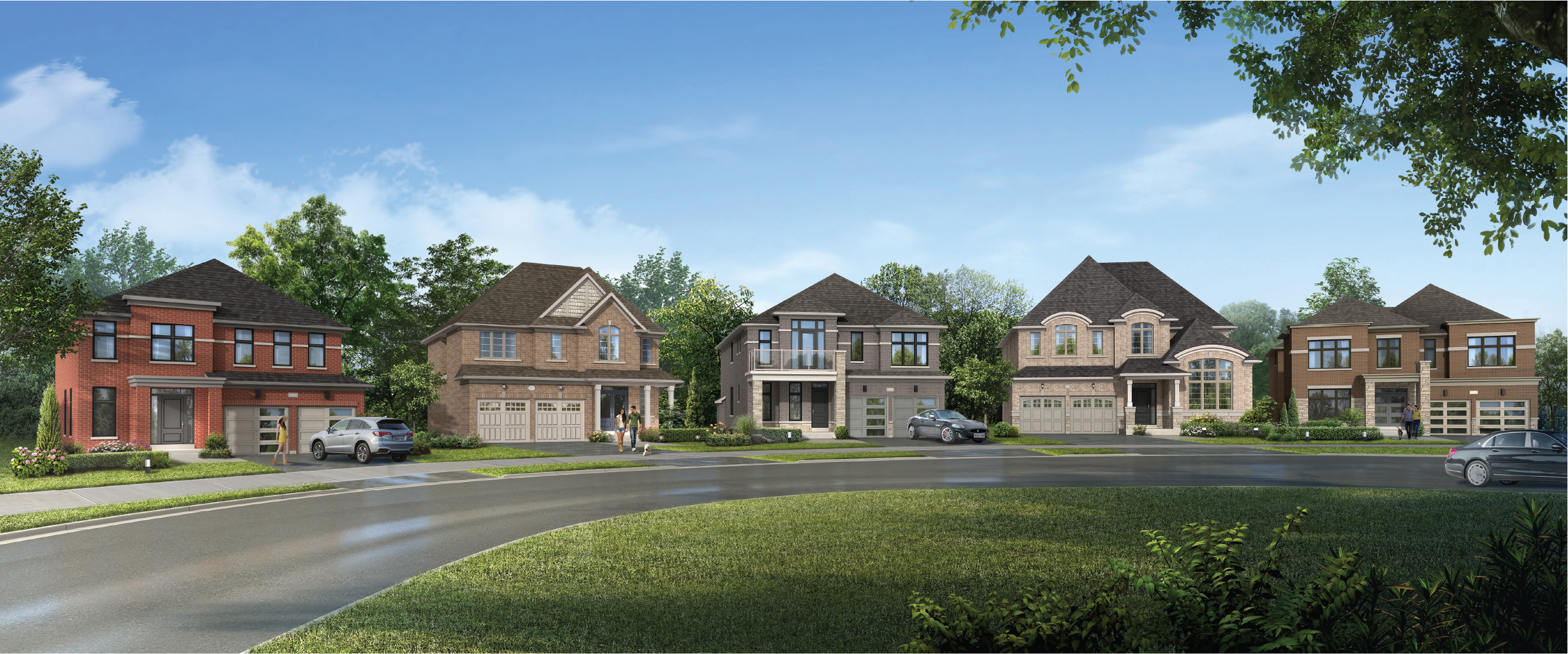
Keswick · Detached
Woodbury Trails
Keswick South area of Georgina
3–4 bed · 1,420–4,224 sq ft
From $884,990
View Community →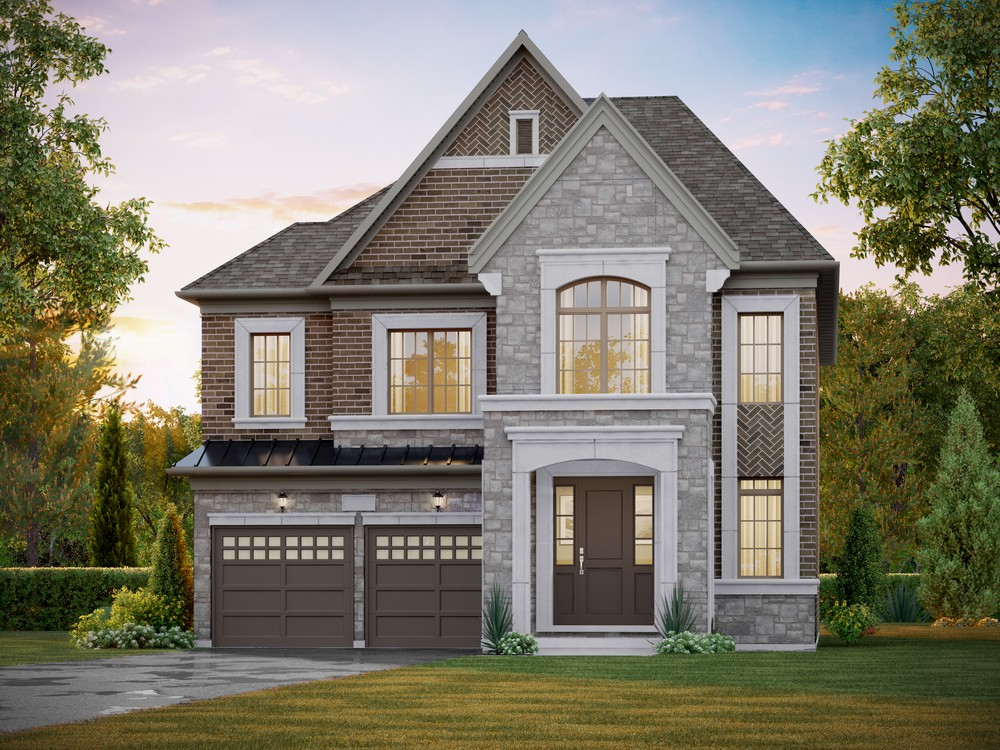
Vaughan · Detached
Bridgelands OPUS
Vaughan, York Region
4 bed · 1,952–3,022 sq ft
From $749,990
View Community →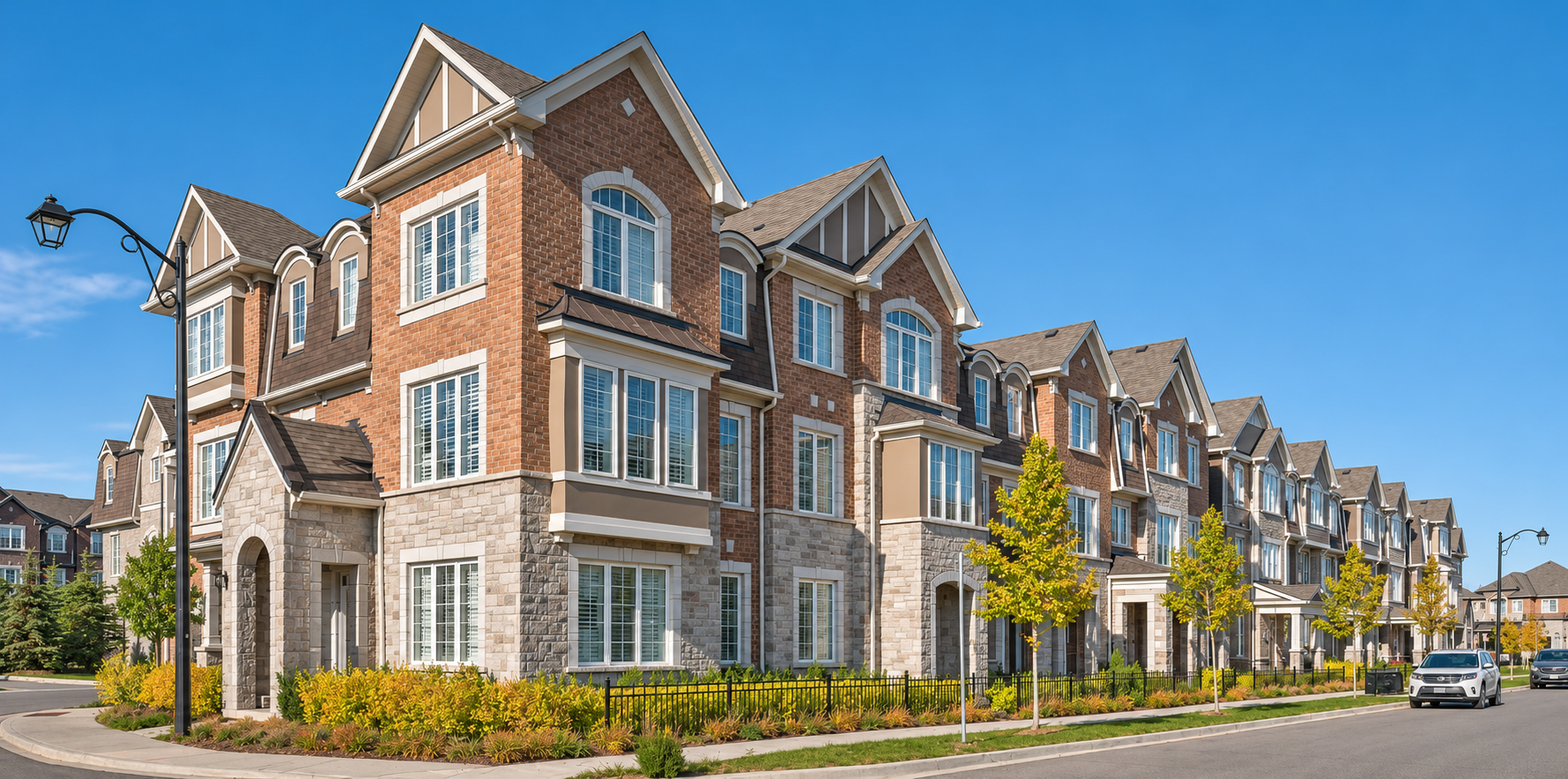
Guelph · Townhomes
Clairmont
South End
From $484,990
View Community →Ready for your first look?
Register to get floor plans and pricing from the GTA's newest communities as they launch.
Get Pricing & Plans